
From Vision to Precision: A Complete Guide to Robotic Colorectal Surgery in Bangalore
We believe minimally invasive care is life-enhancing care
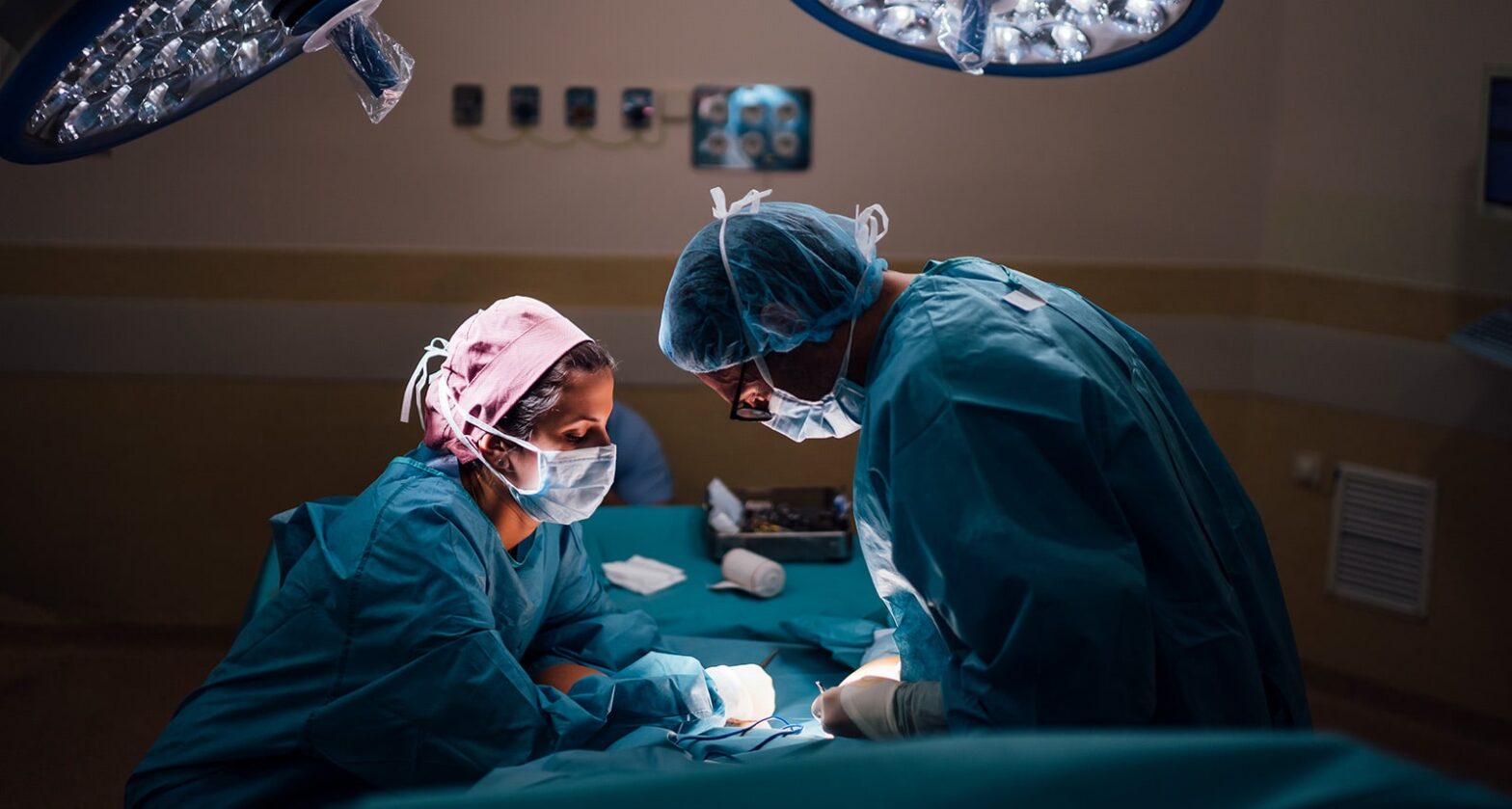
The world of colorectal surgery is changing for the better. We are moving away from large incisions and toward amazing precision, all thanks to robotic technology.
This guide explains everything you need to know about robotic colorectal surgery. We will cover how this minimally invasive procedure works and why it offers so many benefits over older methods. We’ll also walk you through what to expect and how to find an expert colorectal surgeon in Bangalore for your care.
What Is Robotic Colorectal Surgery? A Leap Beyond Laparoscopy
Robotic-assisted surgery is one of the most significant advances in modern medicine. It uses advanced technology to give surgeons incredible control and a better view during an operation.
The Evolution: From Traditional Open Surgery to Minimally Invasive Procedures
For decades, colorectal surgery meant a long incision down the abdomen. This “open surgery” gave doctors direct access but often led to significant pain, long hospital stays, and a large scar.
Later, laparoscopic surgery came along. Surgeons used small incisions and a camera, which was a huge improvement. Robotic surgery is the next step in this evolution, taking the benefits of minimally invasive procedures to a new level.
Introducing the Da Vinci Surgical System by Intuitive Surgical
The most widely used system for robotic surgery is the Da Vinci Surgical System. It isn’t a robot that performs surgery on its own. Instead, it’s a sophisticated tool that a specially trained surgeon controls for every single movement.
At MH Robotic Surgery Clinic, we believe this technology gives patients the best possible care by pairing a surgeon’s skill with robotic precision.
Key Components: The Surgeon’s Console, Patient-Side Cart, and 3D Vision
The Da Vinci system has three main parts that work together:
- Surgeon’s Console: This is the command center. Your surgeon, like Dr. Manjunath Haridas, sits here, often in the same room, viewing a highly magnified, 3D image from inside your body.
- Patient-Side Cart: This cart holds the robotic arms. The arms hold tiny surgical instruments that are inserted through very small incisions.
- 3D Vision System: A special camera provides a crystal-clear, 3D view of the surgical area—much better than the 2D view of standard laparoscopy.
How EndoWrist Instruments and Tremor Filtration Enhance Surgical Precision
Two key features make this technology so special. First, the EndoWrist instruments on the robotic arms can bend and rotate far more than a human wrist. This allows for incredible dexterity in tight spaces.
Second, the system has tremor filtration. It filters out any tiny, natural hand tremors from the surgeon, making every movement steady and precise.
Key Patient Benefits: Why Choose Robotic Bowel Surgery?
So, what does all this advanced technology mean for you, the patient? The benefits are clear and directly impact your comfort and recovery.
- Enhanced Surgical Precision: The 3D view and flexible instruments allow the surgeon to work with amazing accuracy, especially around delicate nerves and tissues.
- Less Pain: Smaller incisions mean less trauma to the body. Patients report less pain and need less strong pain medication after surgery.
- Minimal Blood Loss: The surgeon’s precise control leads to very little blood loss, greatly reducing the need for blood transfusions.
- Shorter Hospital Stays: Most patients go home in just a few days, much sooner than after open surgery.
- Faster Recovery Times: You can get back to your normal activities—like work, hobbies, and family life—much more quickly.
- Improved Cosmetic Results: Instead of a large scar, you are left with a few tiny marks that are barely noticeable once healed.
Conditions Treated with Robotic Colorectal Surgery
This advanced technique is used to treat a growing number of conditions affecting the colon and rectum.
- Treating Colorectal Cancer: It is an excellent option for Robotic Cancer Surgery, allowing surgeons to remove tumors with great precision while preserving nearby nerves. This is especially important in rectal cancer surgery.
- Managing Complex Diverticulitis: For recurring or severe diverticulitis, robotic colon surgery can remove the diseased part of the colon with minimal impact on surrounding tissues.
- Robotic Approaches for IBD: For some patients with Crohn’s disease or ulcerative colitis needing surgery, the robotic method can lead to a smoother recovery.
- Surgical Correction of Rectal Prolapse: The robotic system provides the stability and precision needed to effectively repair a rectal prolapse through a minimally invasive approach.
The Patient Journey: What to Expect Before, During, and After Surgery
Knowing what to expect can make the process much less stressful. Here’s a typical timeline.
The Pre-operative Consultation and Planning
You’ll meet with your surgeon to discuss your condition and treatment options. This is your chance to ask questions and understand why robotic surgery is being recommended.
Preparing for Your Procedure: Anesthesia and Hospital Admission
Your care team will give you instructions on how to prepare, such as when to stop eating and drinking. You will be admitted to the hospital and meet with the anesthesia team before the procedure.
Inside the Operating Room: The Role of the Surgeon and Robotic System
You will be under general anesthesia. Your surgeon will make a few small incisions and then move to the console to control the robotic arms and perform the surgery. The surgeon is in complete control the entire time.
Post-operative Care: The First 24 Hours and Beyond
After surgery, you will be monitored in a recovery area. The nursing staff will help you manage any discomfort and encourage you to start moving around as soon as it’s safe, which helps speed up recovery.
What is the typical recovery time for robotic bowel surgery?
Full recovery varies, but many people are back to light activities in one to two weeks. A return to more strenuous activities and work may take four to six weeks. This is significantly faster than the months of recovery often needed after open surgery.
Finding the Best Robotic Colorectal Surgeon in Bangalore
The technology is only as good as the surgeon controlling it. Choosing the right expert is the most important decision you will make.
Why Surgeon Experience Matters in Robotic Surgery
An experienced robotic surgeon has performed many procedures and has mastered the nuances of the technology. Look for a surgeon who specializes in robotic colorectal surgery.
Dr. Manjunath Haridas at MH Robotic Surgery Clinic has extensive experience in this field, helping patients get the best possible results.
Credentials to Look For: FACS and Specialized Training
Look for surgeons who are board-certified and have qualifications like FACS (Fellow of the American College of Surgeons). This indicates they have met high standards of training and practice.
Questions to Ask Your Potential Surgeon During Consultation
- How many robotic colorectal procedures have you performed?
- What are the specific benefits of this approach for my condition?
- What is your complication rate?
- What can I expect for my recovery?
Evaluating Hospitals with Advanced Robotic Surgery Programs in Bangalore
Bangalore has become a major center for medical excellence. When choosing where to have your procedure, look for the best robotic surgery hospital in India. These centers have the latest technology and dedicated teams experienced in robotic surgery in Bangalore.
The Future of Colorectal Surgery: AI, Machine Learning, and Beyond
The innovation doesn’t stop here. The future promises even more amazing tools to help surgeons and patients.
The Role of Artificial Intelligence (AI) and Data Analytics
AI will soon be able to analyze data from thousands of surgeries to give surgeons real-time advice and help identify critical structures like blood vessels and nerves.
Integrating Haptic Feedback for a Sense of Touch
Engineers are working on haptic feedback, which would allow a surgeon to “feel” the tissues through the robotic instruments, adding a sense of touch to their precise movements.
The Rise of Single-Port Robotics for Even Less Invasive Procedures
The next generation of robotics may use just a single, small incision at the belly button. This means even less scarring and potentially faster recovery.
How Machine Learning Will Improve Patient Outcomes
Surgical robots will learn from every procedure. This will help standardize the best techniques and continuously improve surgical plans for better patient outcomes.
A New Era of Precision and Healing
Robotic colorectal surgery is changing medicine for the better. It offers surgeons unmatched precision and gives patients a safer path to recovery with less pain and faster healing.
For patients in Bangalore, this advanced care is readily available. The most important step is finding a skilled and experienced colorectal surgeon in Bangalore who can help you decide if this amazing technology is right for you.
Frequently Asked Questions (FAQ)
Q1. How long does robotic colorectal surgery take?
The length of the surgery depends on what is being done, but it usually takes between 2 to 5 hours. Your surgeon will give you a better time estimate for your specific case.
Q2. Is robotic colorectal surgery painful?
Because the incisions are so small, patients have much less pain compared to open surgery. Any discomfort is usually well-controlled with medication and improves within a few days.
Q3. What are the risks of robotic bowel surgery?
All surgery has some risks, like infection or bleeding. However, studies often show that the minimally invasive nature of robotic surgery may lower the risk of certain complications.
Q4. Am I a good candidate for robotic colorectal surgery?
Many patients with conditions like colorectal cancer or diverticulitis are excellent candidates. A qualified surgeon will review your health history to determine the best approach for you.
Q5. How long is the hospital stay after robotic surgery?
The hospital stay is much shorter than with open surgery. Most patients go home in 2 to 4 days to continue their recovery in comfort.
Q6. Does insurance in India cover robotic colorectal surgery?
Yes, most major insurance plans in India cover robotic surgery, especially for serious conditions like cancer. It’s always a good idea to check with your insurance provider and the hospital for details.
Social Connect


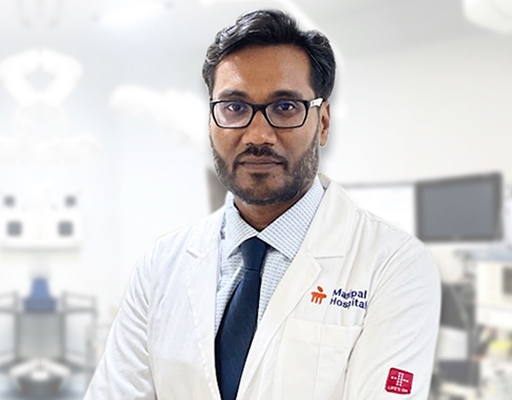
Author: Dr. Manjunath Haridas (MD FACS FICS)
Dr. Manjunath Haridas is a leading robotic surgeon based in Bangalore, renowned for his expertise in advanced robotic and laparoscopic surgery. He uses cutting-edge robotic technology to deliver precise and effective surgical care, solidifying his reputation as a pioneer in robotic-assisted surgery.