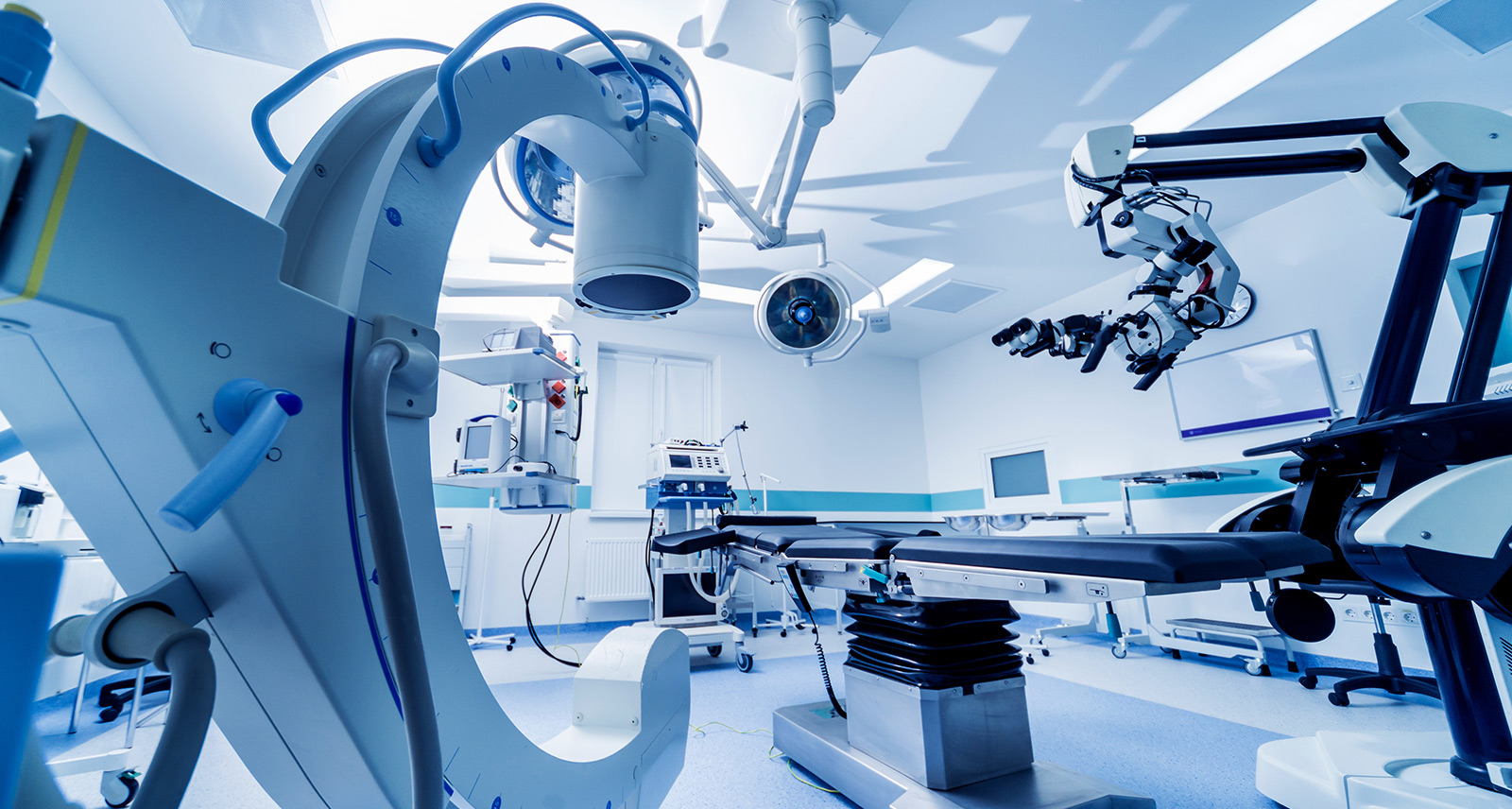
Robotic-Assisted Cancer Surgery
Life-Changing Care Through Robotic Cancer Surgery
Revolutionizing Cancer Treatment
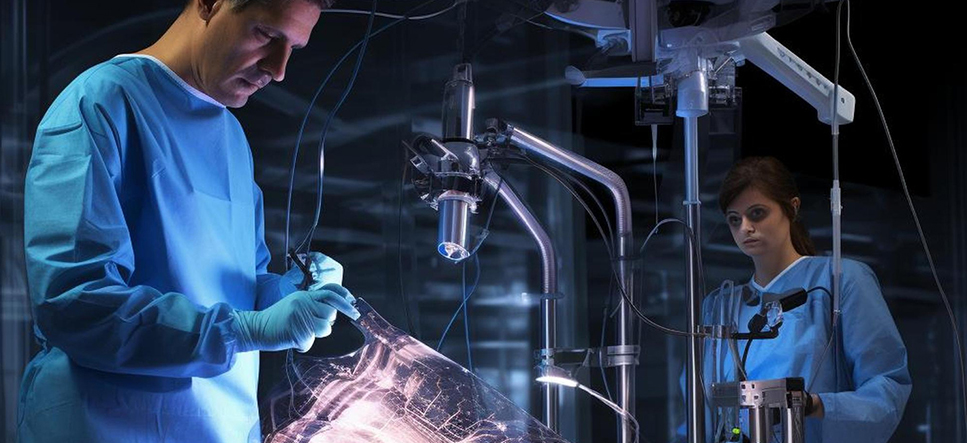
At the forefront of medical innovation, robotic cancer surgery in India represents a significant leap forward in treating various types of cancer. This state-of-the-art technology combines precision, flexibility, and enhanced control, allowing surgeons to remove malignant tumors accurately. With robotic arms fitted with specialized instruments, surgeons can navigate complex anatomical structures, ensuring more precise tumor excision while minimizing damage to healthy tissues.
The advantages of robotic surgery in cancer treatment are particularly profound. Featuring articulated instruments that replicate human wrist movements and providing high-definition 3D imaging, robotic systems help doctors achieve more successful outcomes. These innovations have proved successful in treating cancers across multiple areas, including prostate cancer, colorectal, lung, head and neck, pancreas, and liver cancer operations. The result? Better results, reduced recovery times, and a higher quality of life for patients. Of course, the success of these surgeries is contingent on the surgeon’s expertise, the patient’s overall health, and the type of cancer being addressed.
The da Vinci Surgical System
The da Vinci Surgical System, an engineering marvel that embodies innovation in medical technology, is essential to the success of cancer surgery. Surgeons at MH Robotic Surgery Clinic can now perform complex procedures with unparalleled precision because of this advanced platform, which gives them greater control and dexterity. The robotic surgery makes it easier to introduce tiny equipment and a high-definition camera into a series of tiny incisions, giving a magnified, three-dimensional image of the operating field. Robotic prostatectomy surgeons can precisely target malignant tissue with this immersive view, protecting important structures, reducing collateral harm, and improving patient outcomes.
Types of Cancers Treated with Robotic Cancer Surgery
- Prostate Cancer: Robotic-assisted prostate surgery in India allows for the precise removal of the prostate gland with minimal disruption to surrounding structures, making it a preferred treatment for men with prostate cancer.
- Gynecological Cancers: Cancers affecting the ovaries, cervix, and uterus can be treated using robotic surgery, allowing surgeons to carefully remove malignant tissue while protecting lymph nodes and enhancing surgical outcomes.
- Colorectal Cancer: Robotic Colorectal Surgery is used to remove sections of the colon or rectum affected by cancer, all while safeguarding healthy tissue and improving recovery times.
- Lung Cancer: Robotic systems help surgeons precisely remove tumourous tissue from the lungs, significantly reducing pain and promoting faster recovery after surgery.
- Head and Neck Cancers: The advanced 3D visualization provided by robotic surgery allows for improved access and greater precision when removing tumors from delicate areas such as the tongue and throat.
- Liver Cancer: Robotic Liver Surgery is particularly effective in liver cancer as it reduces blood loss, preserves healthy liver tissue, and enables precise tumor removal.
- Pancreatic Cancer: Tumour excision in the pancreas is made much safer and more precise with robotic assistance, reducing the risk to surrounding critical structures.
- Kidney Cancer: Robotic-assisted partial nephrectomy (removal of kidney tissue) ensures that as much healthy kidney tissue as possible is preserved, which is crucial for maintaining kidney function.
The benefits of robotic surgery in treating cancer include smaller incisions, less pain, shorter hospital stays, and quicker recovery times. As a result, robotic prostatectomy and other forms of robotic cancer surgery are now considered gold-standard approaches in the treatment of various cancers, with continued advancements on the horizon.
Versatility Of Robotic Prostatectomy
The versatility of robotic prostatectomy and other robotic-assisted cancer surgeries is one of the key reasons these procedures have become so popular. They can be customized to suit various cancers, including colorectal, gynecological, lung, and robotic-assisted prostate surgery. The technology’s ability to adapt to multiple types of surgeries ensures that patients receive personalized, targeted treatment that is both effective and minimally invasive.
For instance, robotic prostate surgery in India offers numerous benefits over traditional methods. With reduced blood loss, lower risk of complications, and faster recovery times, patients who undergo robotic prostatectomy often experience improved long-term outcomes and better quality of life.
A Glimpse into the Future of Robotic Cancer Surgery
The future of robotic cancer surgery in India is bright. As technology evolves, these systems will become even more advanced, offering new possibilities for treating cancer with greater precision and fewer side effects. Robotic systems are already transforming the landscape of cancer care by combining precision, flexibility, and minimally invasive techniques to improve patient outcomes.
In the years to come, we can expect continued progress in robotic surgical methods, making cancer treatments safer, more efficient, and more accessible. With each new advancement, robotic surgery will be at the forefront of providing world-class care, making the battle against cancer more promising.
Also Read: Robotic Gallbladder Surgery, Robotic Stomach Surgery
We are making Robotic Cancer Surgery the New Standard of Care

Patient-Centered Care
Robotic surgery emphasizes patient safety, informed decision-making, and comfort, with transparent communication and ongoing research through clinical trials to enhance the effectiveness and confidence in robotic procedures.
Interdisciplinary Teams
Robotic surgery thrives on teamwork among clinicians, engineers, roboticists, and data scientists. This multidisciplinary collaboration enhances surgical precision, personalizes treatment, and leads to better recovery, improved outcomes, and long-term patient care.
Cost-Effectiveness
Robotic prostate surgery in India offers great benefits, and efforts are underway to improve accessibility by ensuring cost-effectiveness. Collaborating with providers and insurers makes advanced care more affordable, enhancing outcomes and recovery for more patients.
Education and Training
Continuous education ensures healthcare providers stay current with advanced robotic surgical techniques. Ongoing training equips surgeons and staff with essential skills, maintaining high standards and delivering optimal patient care as technology advances.What to Expect with Robotic-Assisted Cancer Surgery?
If you or someone you know is scheduled for robotic-assisted surgery, it’s natural to have questions about what to expect before, during, and after the procedure. Robotic surgery is a transformative medical technology that has revolutionized the field of surgery by enhancing the capabilities of surgeons and improving patient outcomes. Here’s an overview of what you can typically anticipate when undergoing robotic-assisted surgery:
Before the Surgery
Before undergoing robotic-assisted cancer surgery, patients will have consultations with their surgeon to assess their medical condition, review the procedure, and confirm whether this approach is the best option. Preoperative tests such as blood tests and imaging scans will also be performed to ensure suitability for surgery.
During the Surgery
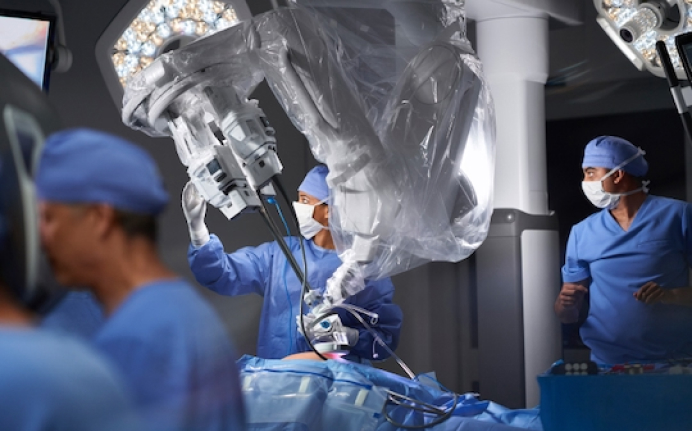
The surgeon will use the robotic system to perform the surgery, making small incisions through which the robotic arms, along with a high-definition camera, are inserted. This allows the surgeon to perform the surgery precisely while ensuring minimal trauma to surrounding tissues.
After the Surgery
Recovery after robotic cancer surgery is typically faster than traditional surgery due to smaller incisions and reduced trauma. Patients often experience less pain, minimal scarring, and a lower risk of complications. This leads to shorter hospital stays, quicker return to daily activities, and an overall smoother, more comfortable healing process.
Why Choose Robotic Cancer Surgery?

Enhanced Vision
The robotic system provides high-definition, 3D views of the surgical area, allowing surgeons to see the anatomy in greater detail. This improved vision helps in performing surgeries with unmatched accuracy.

Precise movements
Robotic systems provide high precision and delicate motor control, lowering the possibility of human error. Surgeons utilize tiny devices that mimic human hands. Built-in tremor-filtration technology helps in smooth and precise movements.

Minimal Blood loss
The minimally invasive nature of robotic surgery means smaller incisions, which leads to less blood loss, reduced pain, and quicker recovery times. Using robotic technology, surgeons can perform exact procedures on the pancreas while minimizing the trauma to surrounding tissues.
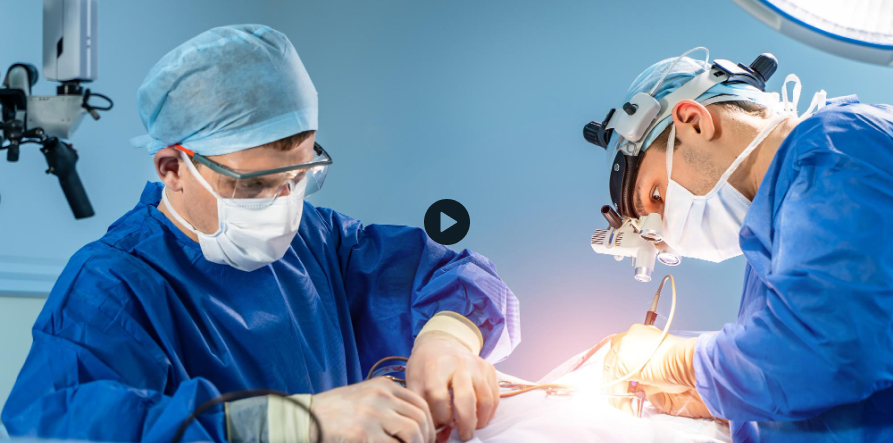
What to expect with robotic-assisted surgery
FAQs
Robotic Cancer Surgery is not a cure by itself, but it significantly improves the outcomes for many types of cancer, especially when detected early. It enables surgeons to remove tumours with extreme precision while minimising damage to surrounding tissues. This is why robotic cancer surgery in India is increasingly becoming a preferred choice for treating cancers of the colon, prostate, pancreas, and more.
Robotic cancer surgery is widely used for prostate, colon, rectal, bladder, stomach, and even pancreatic cancers. At advanced surgical centres in India, these technologies are also being used in gynaecologic and thoracic oncology procedures for enhanced results.
The success rate of robotic-assisted surgeries is quite high when performed by experienced specialists. For example, Robotic prostatectomy procedures often boast success rates of 90–95% in early-stage prostate cancer. Similarly, Robotic Cancer Surgery shows promising results in reducing recurrence rates and improving recovery outcomes across various cancer types.
Recovery time after robotic cancer surgery is typically faster than traditional open surgeries. Most patients resume daily activities within 2–3 weeks, and full recovery often occurs within 4–6 weeks. This faster healing time is due to minimal incisions, reduced blood loss, and lower complication rates.
Not everyone is a candidate for robotic-assisted prostate surgery. Patients with advanced metastatic cancer, severe cardiovascular issues, or prior pelvic surgeries may be evaluated for alternative treatments. It’s essential to consult an experienced robotic prostatectomy surgeon for a personalized treatment recommendation.
Robotic Cancer Surgery enhances the precision, control, and visualisation available to surgeons. Unlike traditional methods, robotic systems allow for better tumour targeting while minimising damage to healthy tissues. In complex cases like colorectal or prostate cancers, the technique leads to improved patient outcomes and reduced complications, making robotic cancer surgery in India a preferred option for many.
A colorectal surgeon in Bangalore trained in robotic techniques plays a crucial role in treating conditions like colorectal cancer, diverticulitis, and inflammatory bowel disease. These surgeons use robotic platforms to perform highly complex procedures with minimal invasiveness and optimal precision.
India is home to globally recognized surgical centers and highly trained professionals in robotic cancer surgery. The blend of affordable pricing, advanced robotic infrastructure, and skilled specialists makes India a hub for international and domestic patients seeking high-quality cancer care.