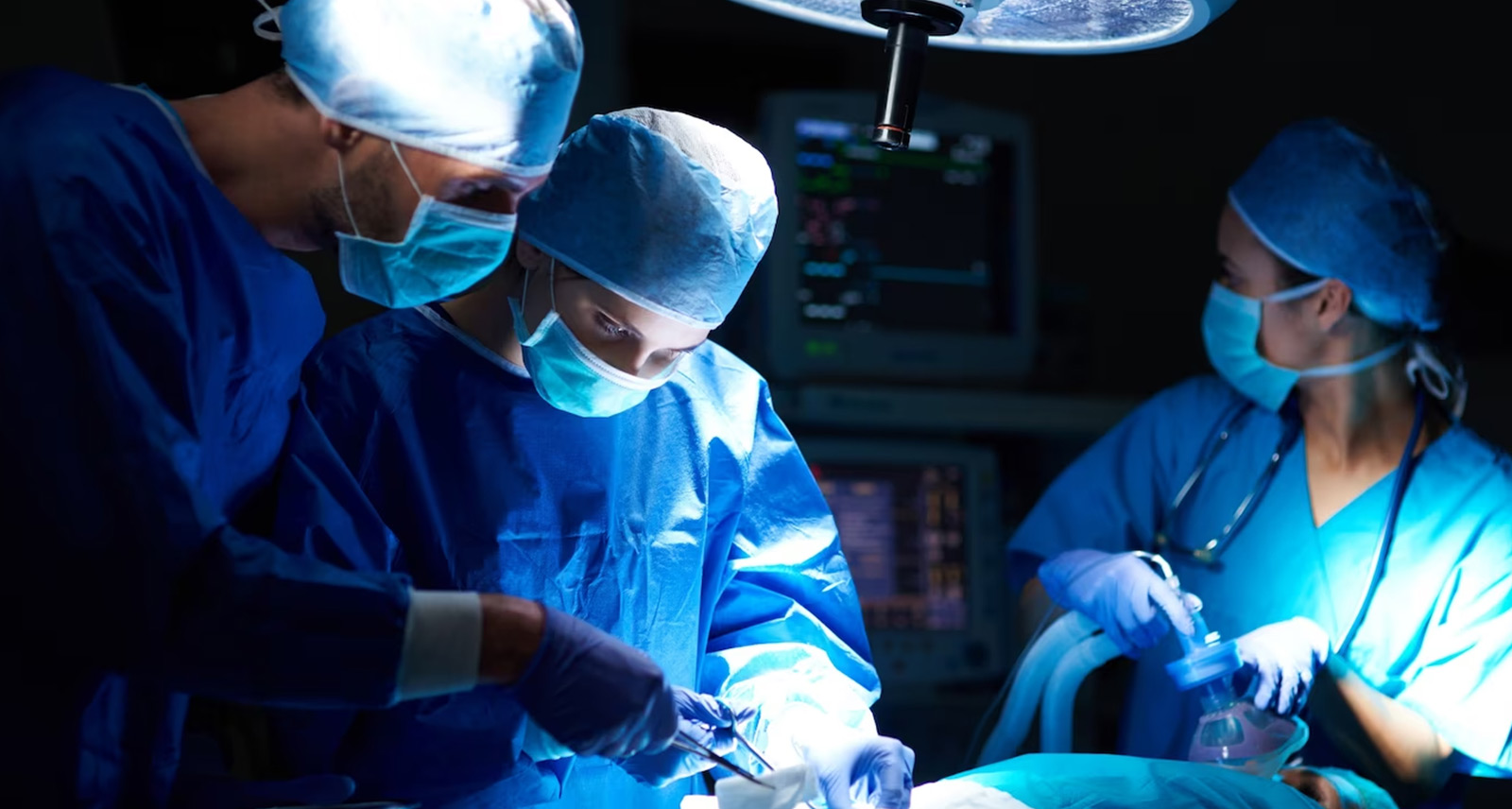
Robotic-Assisted Stomach Surgery
Experience Enhanced Recovery with Robotic Stomach Surgery
The Role of Robotic Stomach Surgery
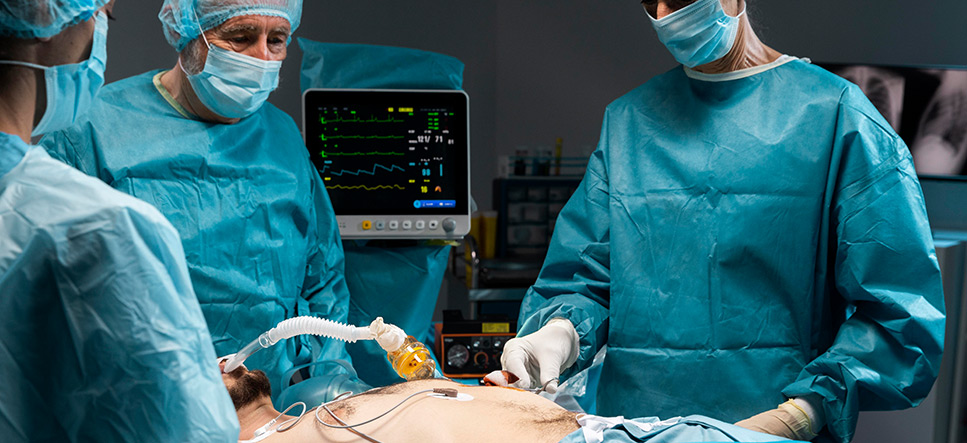
Robotic technology has become a major changer in the field of medical development, especially in the area of stomach surgery. One innovative technique in contemporary medicine that is revolutionizing surgical procedures for diseases like obesity and stomach cancer is robotic surgery. Let’s explore how we, at MH Robotic Surgery Clinic, are transforming patient care with this state-of-the-art technology.
Stomach surgery has historically been linked to higher risks and longer recovery times, making it a frightening idea for many patients. But with a plethora of advantages, the advent of robotically aided treatments has completely changed this field. Patients at MH Robotic Surgery Clinic experience less intrusive and more precise operations, which results in less discomfort following surgery and a quicker recovery.
Robotic Bariatric Surgery: A Minimally Invasive Solution for Obesity
A glimmer of hope is robotic bariatric surgery for patients with stomach cancer. Bariatric surgeons in India perform delicate procedures with unmatched accuracy thanks to accurate instrumentation and enlarged vision, guaranteeing effective tumor removal while protecting healthy tissue. Robotic obesity surgery reduces the chance of problems while simultaneously improving patient outcomes.
Furthermore, for those looking for long-term weight loss options, robotic obesity surgery provides a lifeline in the battle against obesity. Dr. Manjunath Haridas, a leading bariatric surgeon in India can do complex procedures like sleeve gastrectomy and gastric bypass with more control and dexterity because of the use of modern robotics. This results in less risky procedures, reduced lengths of stay in the hospital, and better long-term weight control for the patients.
Leading The Way With MH Robotic Surgery Clinic
Robotic stomach surgery is based on a combination of technological innovation and human expertise. Experienced robotic surgeons plan the entire operation to make sure every patient gets the best possible results. This human-machine collaboration perfectly captures the spirit of the MH Robotic Surgery Clinic, where cutting-edge technology and compassionate care are combined.
Finally, robotic gastric surgery opens up a whole new range of surgical intervention possibilities. Here at MH Robotic Surgery Clinic, we lead this revolutionary path by providing individualized care that combines compassion and innovation. Our dedication to changing lives is unshakable even as we push the limits of medical expertise.
Read Also: Obesity Surgery, Pancreatic Fistulas
We are making robotic surgery a new standard of care

Patient-Centered Care
Prioritize patient safety and well-being in the development and implementation of robotic care. Involve patients in the decision-making process, provide clear information, and address their concerns and preferences. Conduct rigorous clinical trials and studies.
Interdisciplinary Teams
A multidisciplinary team of experts, including clinicians, roboticists, engineers, data scientists, and healthcare administrators, to collaborate on this initiative. Encourage open communication and collaboration which leads to better patient outcomes.
Cost-Effectiveness
Assess the cost-effectiveness of robotic care and explore ways to make it more accessible to a broader range of patients. Collaborate with healthcare payers and providers to ensure reimbursement for robotic procedures.
Education and Training
Develop comprehensive training programs for healthcare providers, ensuring that they have the necessary skills and knowledge to use robotic systems effectively. Offer ongoing education and certification and update on the latest advancements.What to expect with robotic-assisted surgery
If you or someone you know is scheduled for robotic-assisted surgery, it’s natural to have questions about what to expect before, during, and after the procedure. Robotic surgery is a transformative medical technology that has revolutionized the field of surgery by enhancing the capabilities of surgeons and improving patient outcomes. Here’s an overview of what you can typically anticipate when undergoing robotic-assisted surgery:
Before the Surgery
Consultation: You will have one or more consultations with your surgeon to discuss your medical condition, the surgical procedure, whether robotic-assisted surgery is the right option for you and any alternatives if there are any.
Preoperative Evaluation: Before the surgery, you may need to undergo several tests and evaluations to ensure you are a suitable candidate. This may include blood tests, imaging scans, and a review of your medical history.
Preparation: Your surgeon and healthcare team will provide specific instructions about how to prepare for the surgery. This may involve fasting for a certain period, discontinuing certain medications, and taking a shower with a special soap to reduce the risk of infection.
During the Surgery
Anesthesia: You will be given anesthesia to keep you pain-free and asleep during the surgery. The type of anesthesia (general or local) will depend on the specific procedure and your medical condition.
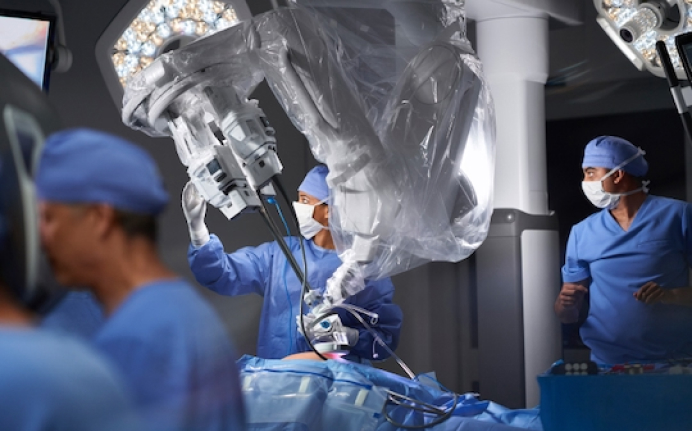
Operating Room Setup: In the operating room, the surgical team will position you on the operating table and prepare the surgical area. The robotic system will be set up, and your surgeon will be seated at the console.
Robotic Assistance: Your surgeon will control the robotic arms and instruments from the console. The robotic system provides enhanced precision and dexterity during the surgery.
After the Surgery
Recovery Room: After the surgery, you will be taken to a recovery area where you’ll gradually wake up from anesthesia. A nurse will monitor your condition closely.
Pain Management: You may experience some pain or discomfort after surgery. Your healthcare team will provide pain management medications as needed.
Hospital Stay: The length of your hospital stay will vary depending on the type of surgery and your individual recovery progress. Many robotic-assisted surgeries result in shorter hospital stays compared to traditional open surgery.
Why choose Robotic Surgery

Enhanced Vision
The robotic system delivers 3D high-definition views, giving your surgeon a crystal clear view of the surgical area that is magnified 10 times to what the human eye sees. This helps the surgeon perform surgery with greater accuracy and smoothness.

Precise movements
Robotic systems provide high precision and delicate motor control, lowering the possibility of human error. Surgeons utilize tiny devices that mimic human hands. Built-in tremor-filtration technology helps in smooth and precise movements.

Minimal Blood loss
Robotic surgery is minimally invasive, meaning it involves small incisions wiith minimal tissue damage resulting in less pain, and reduced scarring. Less blood means results in faster healing, less time in hospital and return to life sooner than expected.
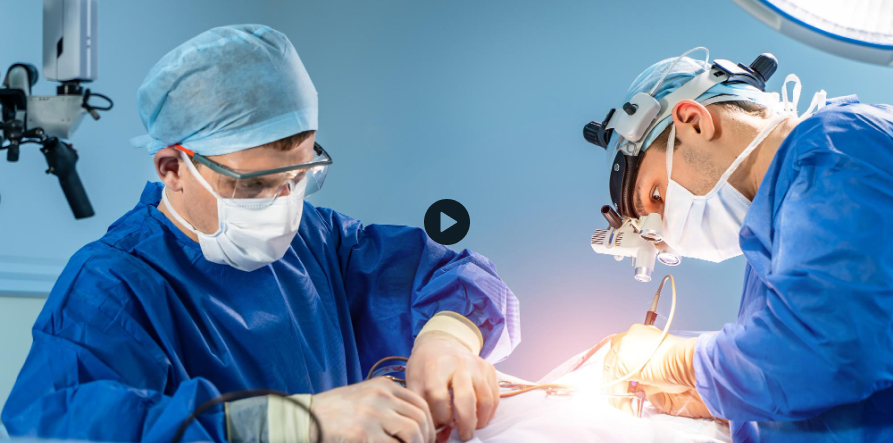
What to expect with robotic-assisted surgery
FAQs
Robotic stomach surgery is a minimally invasive procedure where a surgeon uses advanced robotic technology for precision in treating stomach diseases, obesity, and cancers. It offers smaller incisions, less pain, and faster recovery.
Robotic obesity surgery provides the surgeon with enhanced 3D visualization and better control of instruments compared to laparoscopy. This results in reduced complications, improved outcomes, and quicker recovery for patients
Patients struggling with severe obesity, type 2 diabetes, or related health issues may be candidates. A consultation with an experienced bariatric surgeon in India helps determine suitability based on health and BMI
The key benefits include minimal blood loss, faster recovery, reduced risk of infection, precise suturing, and better long-term weight management results compared to open or laparoscopic approaches.
Most patients resume light activities within 1–2 weeks. Full recovery may take 3–4 weeks, depending on overall health and procedure type. Strict dietary and lifestyle guidance from the surgeon is crucial for long-term success
Yes, robotic cancer surgery for the stomach allows precise tumor removal while preserving surrounding healthy tissue. It is especially effective in early-stage stomach cancers and complex cases.
Just like robotic bowel surgery and robotic liver surgery, robotic stomach surgery offers enhanced precision and faster recovery. The technology provides similar benefits across gastrointestinal procedures
India offers access to skilled specialists and advanced robotic systems at affordable costs. Many patients prefer top centers for robotic surgery in India, where expert care and cutting-edge technology ensure excellent results.